
Kerinci Seblat National Park (KSNP) is one of the most important landscapes in Hutan Harimau’s conservation work and a critical stronghold for the survival of the Sumatran tiger. Covering approximately 1.37 million hectares across four provinces—West Sumatra, Jambi, Bengkulu, and South Sumatra—KSNP is the largest national park in Sumatra and one of Indonesia’s most significant terrestrial protected areas.
The park forms part of the Tropical Rainforest Heritage of Sumatra, a UNESCO World Heritage Site that recognizes the exceptional biodiversity and ecological importance of Sumatra’s remaining tropical rainforests. Together with Gunung Leuser and Bukit Barisan Selatan National Parks, Kerinci Seblat represents some of the island’s most important remaining forest ecosystems and provides habitat for numerous threatened and endemic species, including the Sumatran tiger.
For the Sumatran tiger, Kerinci Seblat is particularly important. Its vast, contiguous forests provide critical habitat, prey, and ecological connectivity for one of the world’s most threatened big cats. The park is recognized as a priority tiger conservation landscape and is considered one of the key remaining strongholds for the Sumatran tiger population.
However, the long-term survival of tigers depends not only on protecting the national park itself, but also on maintaining healthy forest connections and reducing threats along its boundaries. Hunting, snares, habitat loss, human–wildlife conflict, and other pressures in surrounding landscapes can directly affect wildlife inside the park.
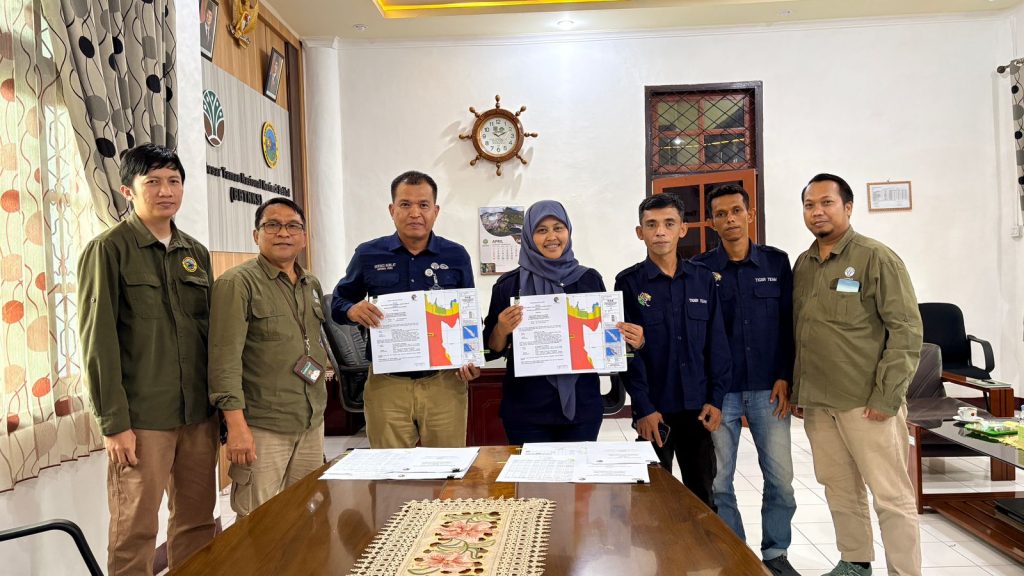
Recognizing the importance of collaborative conservation, Hutan Harimau has established a formal Memorandum of Understanding (MoU) with Kerinci Seblat National Park for the 2026–2029 period to support tiger conservation within the national park. Through this partnership, Hutan Harimau works alongside park authorities to strengthen tiger monitoring, forest protection, community engagement, environmental education, and other conservation actions aimed at securing the park as a long-term refuge for Sumatran tigers.
Our work extends beyond the park boundary through initiatives such as Kampung Harimau (Tiger Village), community ranger and Tiger Team programs, long-term camera-trap monitoring, human–tiger coexistence initiatives, and women-led green livelihoods. These efforts seek to build a conservation landscape where protected forests and surrounding communities work together to safeguard tigers and their habitat.